Search
-
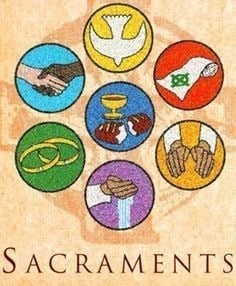 January 18, 2026The Funeral Mass is one of the sacraments that a practicing Catholic not only has the right to
but desires. For one who attends Mass regularly every weekend and even weekdays, the Mass holds a vitally important place in their spiritual life. It is something that should be respected by the Church— and it is—as well as by the family of the deceased.
It is sad to see the passing of an active parishioner and then see that the family decides not to
have a funeral Mass to celebrate their loved-one’s faith life and to praise God for the gift of the deceased.Often times the reason given for not having a funeral Mass is that “we don’t practice the faith anymore.” Well, the funeral Mass is not about the children or grandchildren, or the friends. It is about honoring the beliefs of the deceased, who did go to Mass and who did believe in a loving and merciful God who desires them to be with Him for eternity. A funeral Mass takes approximately 55 minutes—depending on the eul0gy—and is a sacred event meant to praise God for the gift of life and faith, and to recall and pray for the deceased’s noble soul.
As we ourselves consider our own funeral Mass, it is wise to have a plan in writing and to speak
about it to our children/executor, and to meet with the parish priest to plan it in total—readings, roles of individuals, music and other specifics. Then we can be confident in our final wishes being carried out.
Baptism and Godparents are important considerations to give great thought to and to bring
to prayer. The Sacrament of Baptism, as we heard in last weekend’s Gospel of Matthew (3:13-17), was created by and deemed important to Jesus...telling John the Baptist that he needed to baptize the Lord Himself, even though He is the Holy One of God. To paraphrase Jesus, it is that important of a sacrament that if you baptize me the people in all generations will understand why I created it and desire them to baptize their children…
So, let us then deduce a few things: First, we should baptize our children at an early age, infancy, so that the child is filled with a supernatural grace from God, that if nurtured and fed by the family (meaning specifically the parents and g0dparents) that the child will then learn how to love righteously love God back by loving and honoring all human dignity given to us by God. It is guiding our children to see in themselves the image and likeness of God, which calls us to seek the excellence of our own lives and the lives of those around us. Second, who is to be a godparent? A godparent’s role is two-fold, first to join in with the parents as living examples of faith to a child, to illustrate what it means to be a Catholic disciple of Christ in the choices we make in our daily activities of life. And, second, should anything happen to the parents then the godparents are the primary teachers of the faith to that child.
Therefore, the qualifications of a godparent are (1) be a Baptized and Confirmed Catholic, attend Mass regularly and receive Holy Communion, provide for the Church and/or be active in a ministry, and live one’s life according to Catholic teachings, and be a person of prayer. A godparent is not simply a best friend or college buddy; it is not an honorarium in-and-of-itself, but rather is a person of faith who will instruct and exemplify the faith through action. By way of information, there should be one godfather and one godmother, to image the parents, not two godfathers or two godmothers; however, only one godparent is required.