Search
-
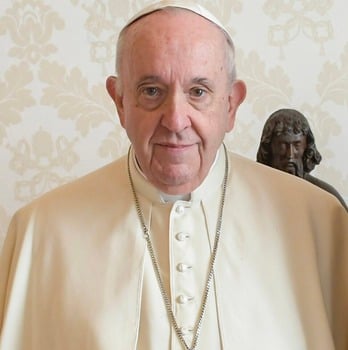 April 26, 2025When a Pope Dies: The Process, Traditions, and the Next Steps for the Future of the Church. When the death of the vicar of Christ, the pope, happens it marks a solemn yet highly organized and ritualistic transition in the Roman Catholic Church. While each pontiff can put their own imprint or modifications on the funeral itself, certain centuries-old traditions largely dictate the entire process until the Conclave and the selection of a new pope. During this time the Catholic Church enters into a period known as Sede Vacante, Latin for “the see being vacant.” The Church remains in Sede Vacante until a new pope is chosen.
Confirmation and Announcement of Death. A meticulous protocol is followed with a pope dies. The carmerlengo, a high-ranking Vatican official, is responsible for confirming the pope’s death. Historically, this involved calling out the pope’s name three (3) times, and a tap on the forehead with a hammer. Today, medical professionals verify the death through standard medical procedures. The carmerlengo then destroys the papal signet ring, an official symbol of the pope’s authority, preventing its future use. Once confirmed, the Vatican publically announces the papal death, and the world begins mourning, including the lowering of flags, the tolling of church bells, and the Catholic community around the globe enters a time of prayer, remembrance and mourning.
The Period of Mourning and Funeral Rites. An official nine-day mourning period, known as Novemdiales, follows the announcement of the deceased pontiff, and during this time: • The pope’s body is prepared and dressed in papal vestments; • The body is placed in St. Peter’s Basilica for public viewing, allowing mourners—including world leaders and dignitaries—to pay their respects; • Special Masses and prayers take place throughout the world; and, • Dioceses around the world issue protocols to local parishes. In the Archdiocese of Hartford par ishes were asked to include in their particular rituals to drape the doors with bunting, place a pic ture of Pope Francis in the sanctuary near the Easter candle with black draping, as well as offer special intentions for the repose of his noble soul, and remove the Pope’s name from the Eucha ristic prayer at Mass.
The Papal Burial. A pope’s burial typically takes place four to six days’ post death. The funeral is held at St. Peter’s Square, led by the dean of the College of Cardinals, with thousands of mourners. Most popes are interred in the Vatican Grottoes beneath St. Peter’s Basilica, though some have chosen different resting places. Pope Francis, for example, has expressed his wishes to be buried at Santa Maria Maggiore in Rome. Traditionally, popes have been buried in three nested coffins—one of cypress, one of zinc, and one of elm. However, Francis has opted for a simple wooden and zinc coffin. Like his predecessors, his face will be covered with a white cloth, he will be buried with a summary of his papacy, called a rogito, and a selection of Vatican coins minted during his reign and bearing his image.
During the Sede Vacante, the Transition of Power. The College of Cardinals assumes temporary leadership of the Church and no major decisions or changes are made until a new pope is elected.
The Conclave. Typically, a Conclave happens 15-20 after Sede Vacante begins. (But the death or resignation of a pope is not just a transition of leadership—it is a moment of reflection and renewal for the Catholic Church. A pope is both a spiritual leader for more than 1.406 billion Catholics \world-wide as well as many in Christendom, as he is called Vicar of Christ, or Christ’s representative on earth. He is also a sovereign leader of the Holy See, which is different from the Vatican City State, and is headed by the pope, an absolute monarch, (“with full ownership, exclusive dominion, and sovereign authority and jurisdiction”). The Holy See has diplomatic relations with more than 183 countries.
The Process to Elect a New Pope. The conclave happens, two to three weeks after the papal funeral, all eligible cardinals, those under the age of 80 are eligible to vote, gather in the Sistine Chapel to vote. The election follows these steps:
• The Chapel is sealed off, ensuring secrecy, no electronic devices are allowed inside;
• Cardinals cast their votes in rounds, with a two-thirds majority required to elect a new pope;
• If no candidate is chosen, ballots are burned with chemicals to produce black smoke, signaling an inconclusive vote; and,
• When a new pope is elected, white smoke rises, announcing the decision to the world.
The newly elected pope chooses a regal name (giving up their birth name and being known as Pope (Name) and steps onto the balcony of St. Peter’s Basilica, where the world hears the famous announcement: Habemus Papam! — ‘We have a pope!”
While each pope brings his own vision, the traditions surrounding the passing of a pontiff remain a solemn and sacred process, ensuring stability and continuity in the Catholic Church.